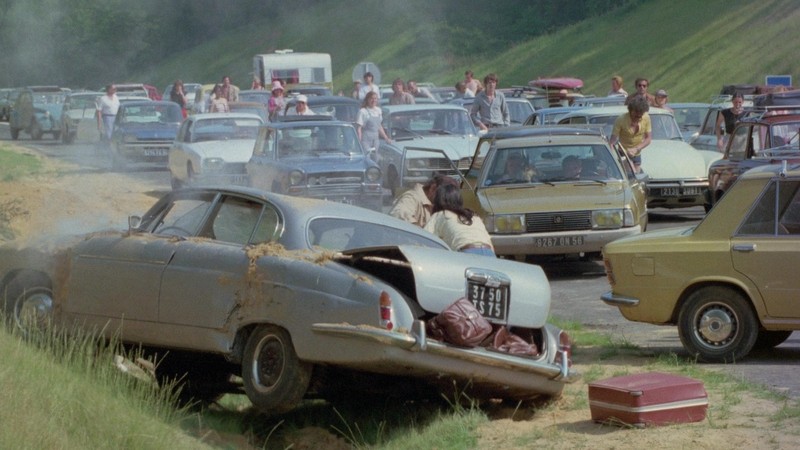
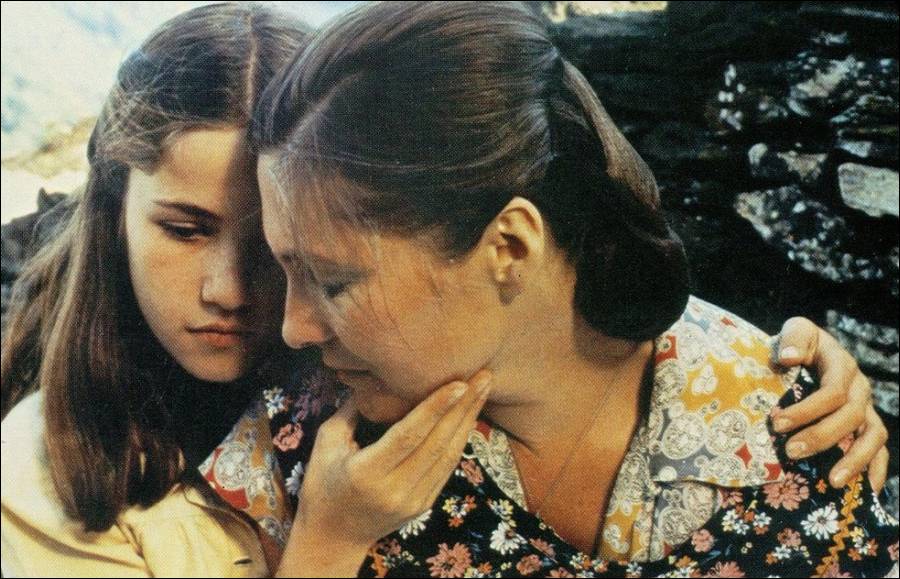
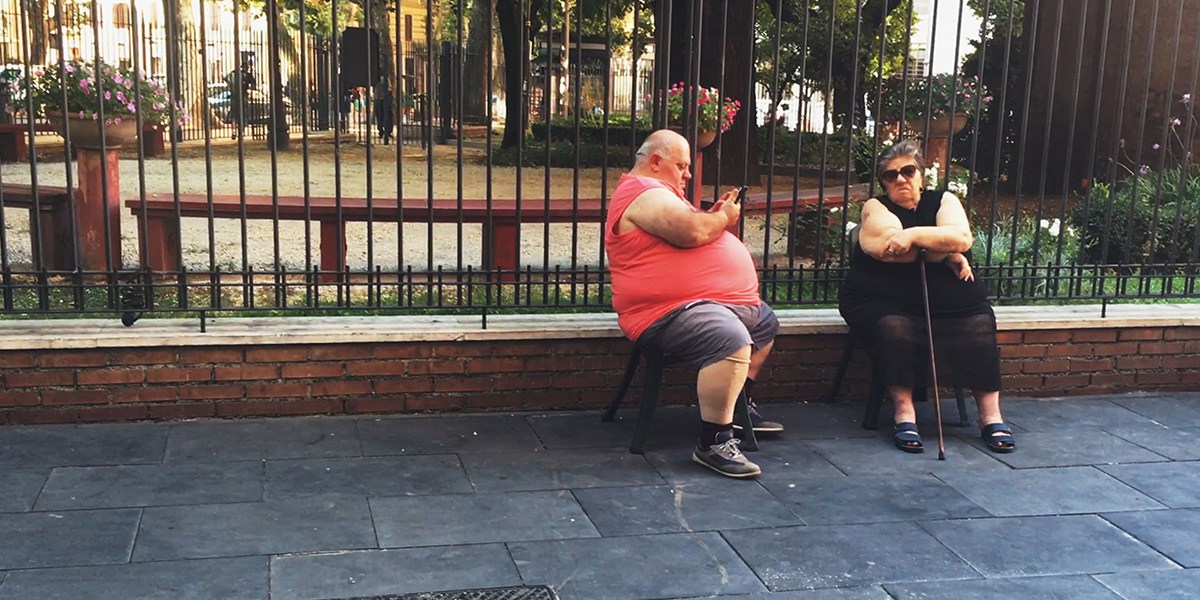
Hirokazu Koreeda, After Life, 1988
Wiki: "A small, mid-20th century social-service-style structure is a way station between life and death. Every Monday, a group of recently deceased people check-in: the social workers in the lodge ask them to go back over their life and choose one single memory to take into the afterlife. They are given just a couple of days to identify their happiest memory, after which the workers design, stage and film them. In this way, the souls will be able to re-experience this moment for eternity, forgetting the rest of their life. They will spend eternity within their happiest memory."
A disarmingly simple idea, as seemingly bland as the old school building (or is it a hospital?) the film is shot in, but its realisation here is subtle and inexplicably moving, and we develop real affection for these characters and the counselors who look after them. The documentary "real" feel of the cinematography is partly responsible, but so is the setting, with its rickety old desks and chairs, flaking paintwork, rust and crumbling masonry. Had this been shot in some godawful squeaky-clean office setting (like the Corneau I mentioned above), it would have been awful.
To quote the director: "Our memories are not fixed or static. They are dynamic, reflecting selves that are constantly changing. So the act of remembering, of looking back at the past, is by no means redundant or negative. Rather, it challenges us to evolve and mature."


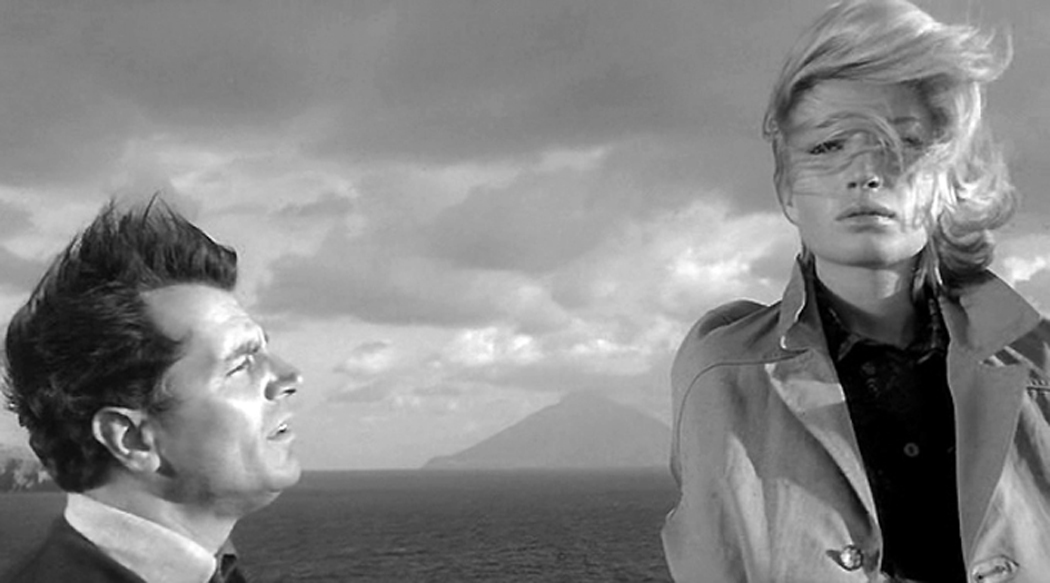




 - I'll never make fun of Rochdale or Luton Airport again. Yikes.



 ) and was duly impressed, in the way one is by Bergman - and, as you astutely point out, Haneke. I was trying to decide yesterday what my favourite Bergman film was, and couldn't come to a conclusion. If I ever do, I'll let you know. But that would entail watching the half dozen I've yet to see, and rewatching those I've already seen. Which could take some time... When we sit down after dinner and say "So what are we going to watch tonight?" (happens every day), Bergman very rarely comes up!