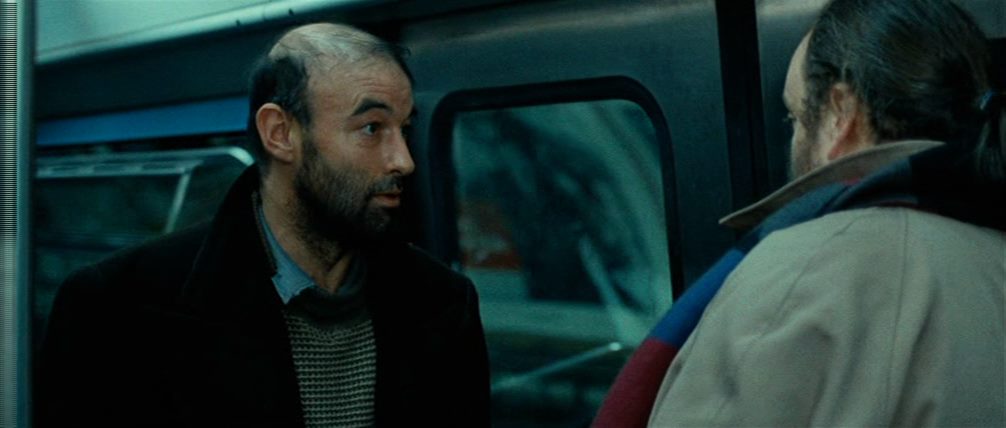
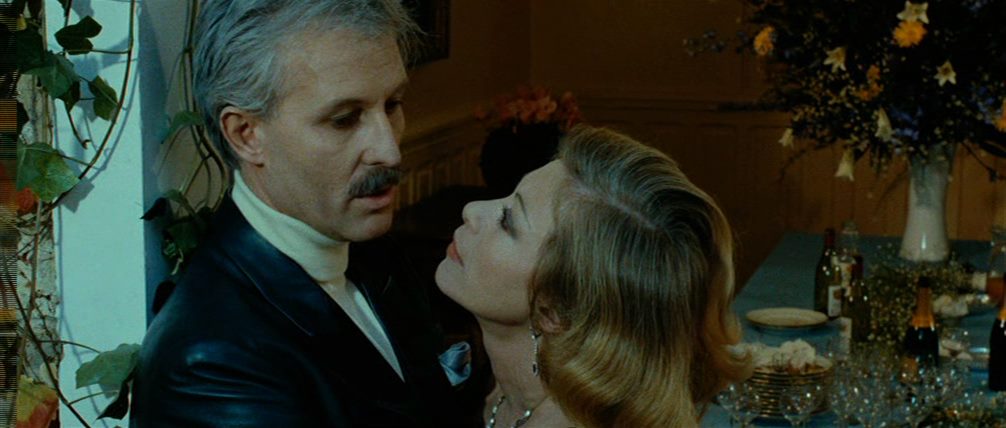
Theo Angelopoulos, O Thiassos ("The Travelling Players"), 1975
Man, why did I wait so long to see this? Bit of a cliché I guess, but Angelopoulos's entire universe is here, and it's definitely the finest film of his I've seen so far, and deservedly one that makes it to many people's Best Of lists. The answer to that earlier question could be, as it was with Satantango and Out1, is simply because it's long. I do like to be able to take in a film at one sitting, but life being what it is these days I sometimes have to chop it up into chunks between other sundry activities, as was the case with this one (but it certainly won't be when I watch it again - and watch it again I most certainly will). That said, 225 minutes isn't all that long. Hands up those out there who've watched four or five episodes of their favourite series back to back of a weekend, or of an evening? OK, you can all put your hands down. But on the subject of heavenly length, you don't feel it (sorry for that awful pun): as with Rivette, you quickly adapt to the rhythm of the long form. The film, like the travelling players themselves, walks slowly. So what's it about? Oh, read this https://en.wikipedia.org/wiki/The_Travelling_Players - but a working knowledge of Greek Tragedy will also help. And, if you have time to read an extended article on the director's exquisite cinematography, this isn't bad: https://offscreen.com/view/aesthetics-o ... ng-players Meanwhile, does Deleuze have anything so say about Theo in The Time Image (no, still haven't read it yet - help me out Henrik)? On the subject of Béla Tarr again, I've read that his compatriot Miklós Jancsó was cited as a formative influence on Tarr's use of the long take, but I'd like to think he knows O Thiassos too. I was reminded of one of Karlheinz Stockhausen's more notorious brags, when he said "all of Feldman's music can exist in a moment of mine" (!). I'm tempted to say that all Tarr exists in five or ten minutes of O Thiassos, with its dances and slow processions.